


คำตอบทันที: การเลือกวาล์วปิดที่เหมาะสม ปัจจัยที่สำคัญที่สุดใน ปิดวาล์ว การเลือกจะจับคู่ประเภทวาล์วและวัสดุกับความดัน อุณหภูมิ และตัวกลางของระบบของคุณ ความไม่ตรงกันอาจทำให้เกิ...
อ่านเพิ่มเติมทำไมถึงเลือกพวกเรา?
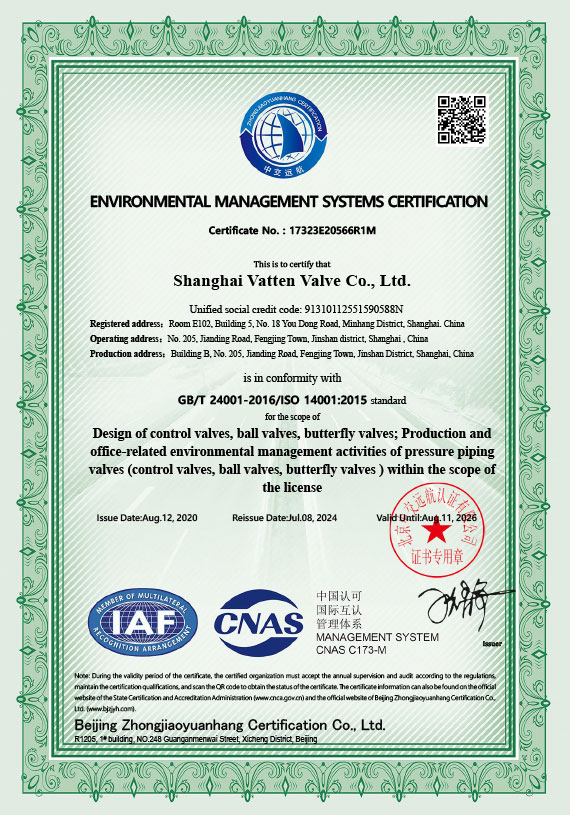
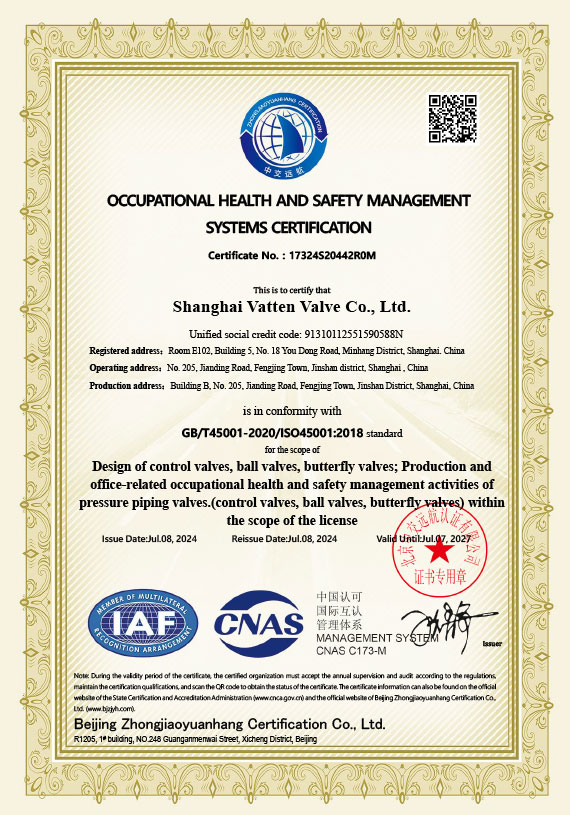
Vatten Valve Group เป็นบริษัทวาล์วระบบอัตโนมัติทางอุตสาหกรรมที่มีชื่อเสียงระดับโลกซึ่งมีต้นกำเนิดจากเมืองซาร์ลันด์ ประเทศเยอรมนี มีความเชี่ยวชาญในการวิจัย การพัฒนา และการผลิตผลิตภัณฑ์หลัก เช่น บอลวาล์วควบคุมอัตโนมัติ วาล์วปีกผีเสื้อ และวาล์วควบคุม ด้วยการใช้ประโยชน์จากความเชี่ยวชาญด้านเทคโนโลยีที่โดดเด่นของเรา เราจึงนำเสนอโซลูชั่นวาล์วที่เป็นนวัตกรรมและการสนับสนุนทางเทคนิคอย่างมืออาชีพให้กับอุตสาหกรรมที่สำคัญ รวมถึงพลังงาน เคมี การบำบัดน้ำ ยารักษาโรค และการแปรรูปอาหาร
ผู้จำหน่ายวาล์วควบคุมตนเอง
วาล์วประตูไฟฟ้า ผู้ผลิต
-
วาล์วประตูเหล็กหล่อแบบไฟฟ้าประกอบด้วยตัววาล์วแบบป
-
วาล์วประตูสแตนเลสแบบใช้ไฟฟ้าประกอบด้วยตัววาล์วแบบ
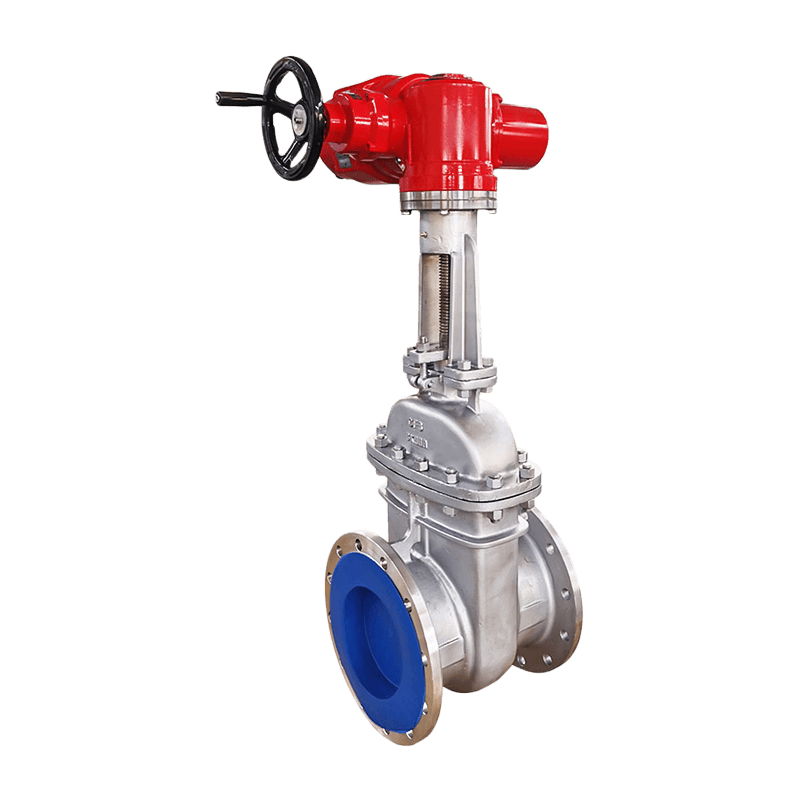
วาล์วประตูไฟฟ้า VATTEN เป็นหนึ่งในผลิตภัณฑ์ที่ใช้กันอย่างแพร่หลายในกลุ่มผลิตภัณฑ์ของเรา โดยเฉพาะอย่างยิ่งในภาคเทศบาล ซึ่งขึ้นชื่อในด้านฟังก์ชันการเปิดและปิดที่ยอดเยี่ยม วาล์วประตูไฟฟ้านี้ใช้เทคโนโลยีการควบคุมไฟฟ้าขั้นสูงเพื่อให้เกิดการทำงานที่แม่นยำ ช่วยให้มั่นใจว่าการไหลของของไหลราบรื่นและการทำงานที่มีประสิทธิภาพของระบบ
ในโรงบำบัดน้ำ ประสิทธิภาพของวาล์วประตูไฟฟ้า VATTEN มีความโดดเด่น ควบคุมการไหลของน้ำได้อย่างมีประสิทธิภาพในขณะที่ยังคงรักษาการปิดผนึกที่แข็งแกร่ง ลดความถี่ในการบำรุงรักษา และเพิ่มความเสถียรและอายุการใช้งานของอุปกรณ์อย่างมีนัยสำคัญ นอกจากนี้ การออกแบบยังคำนึงถึงความต้านทานการกัดกร่อนและความทนทาน ทำให้เหมาะสำหรับสภาพแวดล้อมทางน้ำที่ซับซ้อน
นอกจากนี้ วาล์วประตูไฟฟ้า VATTEN ยังใช้กันอย่างแพร่หลายในการจัดการแม่น้ำและโครงการวิศวกรรมอื่นๆ ในโครงการเหล่านี้ ฟังก์ชันควบคุมอัตโนมัติของวาล์วช่วยปรับปรุงประสิทธิภาพโดยรวมและความปลอดภัยของการดำเนินงานได้อย่างมาก ซึ่งช่วยลดความเสี่ยงที่เกี่ยวข้องกับการแทรกแซงด้วยตนเอง
Message Feedback
เกี่ยวกับเรา
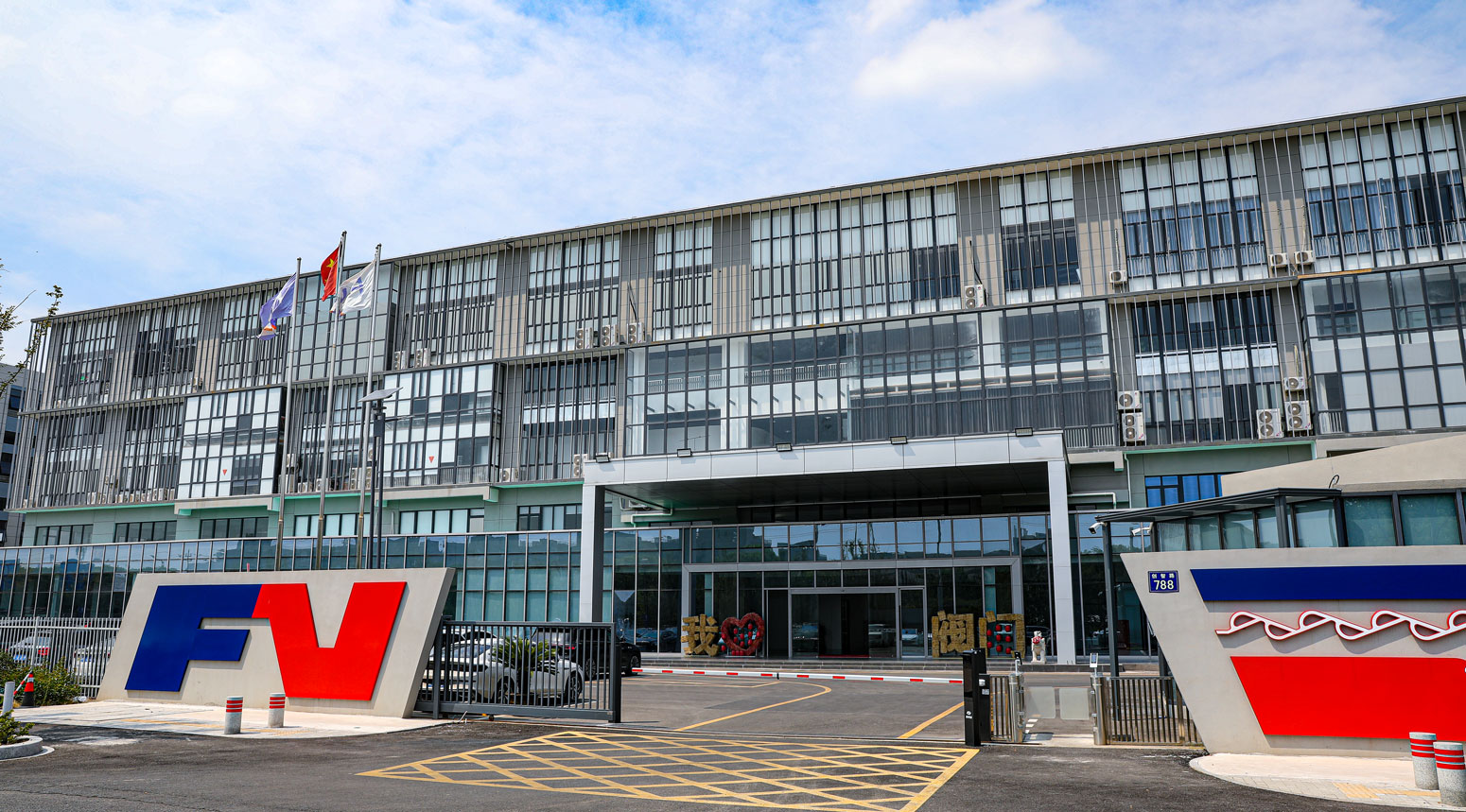
บริษัท Vatten Valve Group เป็นบริษัทชั้นนำระดับโลกด้านวาล์วควบคุมอัตโนมัติทางอุตสาหกรรม ซึ่งมีต้นกำเนิดจากรัฐซาร์ลันด์ ประเทศเยอรมนี เชี่ยวชาญด้านการวิจัย พัฒนา และผลิตผลิตภัณฑ์หลัก เช่น วาล์วบอลควบคุมอัตโนมัติ วาล์วผีเสื้อ และวาล์วปรับแรงดัน ด้วยความเชี่ยวชาญด้านเทคโนโลยีที่โดดเด่น เราจึงสามารถนำเสนอโซลูชันวาล์วที่ล้ำสมัยและการสนับสนุนทางเทคนิคอย่างมืออาชีพแก่อุตสาหกรรมที่สำคัญต่างๆ เช่น พลังงาน เคมี การบำบัดน้ำ ยา และการแปรรูปอาหาร
เช่น วาล์วประตูไฟฟ้า ผู้ผลิต และ วาล์วประตูไฟฟ้า บริษัท, กลุ่มบริษัทดำเนินงานโดยมีฐานการผลิตที่ทันสมัย 4 แห่ง ตั้งอยู่ในทำเลที่ตั้งทางยุทธศาสตร์ในเซี่ยงไฮ้ เทียนจิน ลี่ซุย และเจียซิง ประเทศจีน เพื่อให้บริการตลาดต่างประเทศได้ดียิ่งขึ้น เราได้จัดตั้งสำนักงานสาขาในสถานที่สำคัญทางยุทธศาสตร์ ได้แก่ สหราชอาณาจักร ตุรกี เบลารุส ซาอุดีอาระเบีย และอินโดนีเซีย การจัดตั้งสำนักงานในอินโดนีเซียช่วยเพิ่มขีดความสามารถในการให้บริการของเราในตลาดเอเชียตะวันออกเฉียงใต้ได้อย่างมาก ทำให้มั่นใจได้ว่าเราจะสามารถให้การสนับสนุนทางเทคนิคและบริการต่างๆ แก่พันธมิตรและลูกค้าในท้องถิ่นได้อย่างทันท่วงทีและมีประสิทธิภาพ
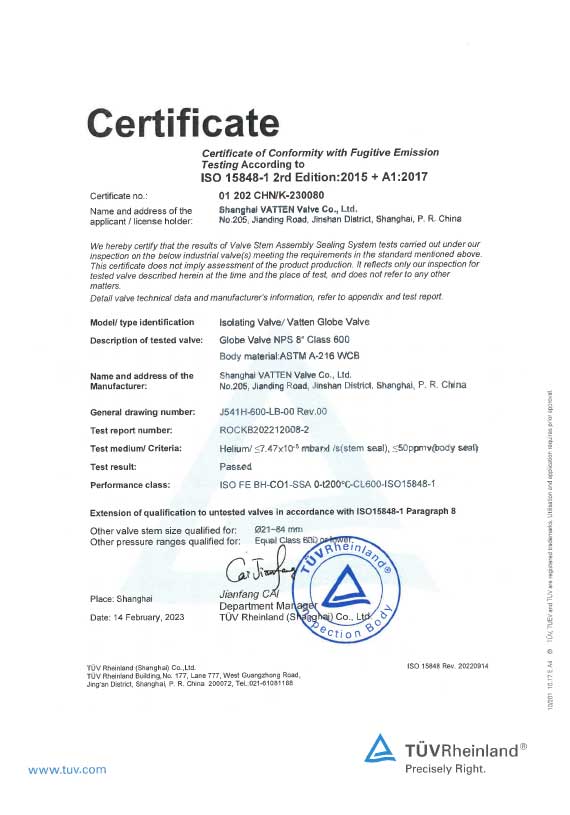
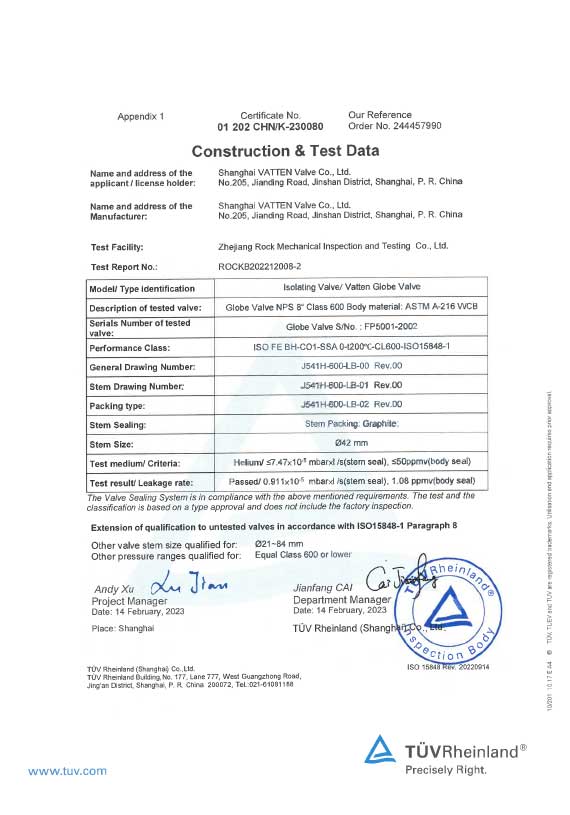
บริษัท Vatten Valve มีรากฐานมาจากประเพณีการผลิตที่แม่นยำของเยอรมนี โดยมุ่งเน้นไปที่วาล์วควบคุมอัตโนมัติ พร้อมทั้งปฏิบัติตามมาตรฐานคุณภาพระดับสากลอย่างเคร่งครัด จัดเตรียม กำหนดเอง วาล์วประตูไฟฟ้า. เรามุ่งมั่นที่จะพัฒนานวัตกรรมอย่างต่อเนื่อง เพื่อมอบผลิตภัณฑ์ที่มีประสิทธิภาพเหนือกว่า การสนับสนุนทางเทคนิคอย่างมืออาชีพ และโซลูชันการควบคุมของเหลวแบบครบวงจรแก่ลูกค้า ช่วยให้พวกเขาสามารถรับมือกับความท้าทายที่ซับซ้อนในการควบคุมของเหลวในอุตสาหกรรมได้
ข่าว
-
-
วาล์วปล่อยด้านล่าง เป็นอุปกรณ์ควบคุมการไหลที่ติดตั้งที่จุดต่ำสุดของถัง ถัง หรือถังพักเพื่อให้ควบคุมการปลดปล่อยของแข็ง ของเหลวข้น หรือของเหลวโดยแรงโน้มถ่วง พวกมันเป็นส่วนประกอบที่สำคัญในอุตสาหกรรม...
อ่านเพิ่มเติม -
ก วาล์วผีเสื้อ เป็นวาล์วหมุนแบบหมุนสี่รอบที่ควบคุมการไหลของของไหลผ่านจานกลมที่หมุนตั้งฉากกับทิศทางการไหล แผ่นจานที่ติดตั้งอยู่บนแกนตรงกลางท่อ จะหมุนได้ 90 องศาเพื่อกั้นหรืออนุญาตให้ผ่านได้ ทำให...
อ่านเพิ่มเติม -
ทำความเข้าใจว่าวาล์วปีกผีเสื้อถูกรวมเข้ากับระบบท่อสมัยใหม่อย่างไร การรวมกัน วาล์วผีเสื้อ เป็นแนวทางทางวิศวกรรมเชิงปฏิบัติที่ใช้เพื่อปรับปรุงการควบคุมการไหล ความปลอดภัยในการแยกส่วน ความซ้ำซ้อน และกา...
อ่านเพิ่มเติม
ความรู้ด้านอุตสาหกรรม
What Are the Common Maintenance Practices for Electric Gate Valves ?
Electric gate valves are critical components in various industries, providing automated control for the flow of fluids and gases in systems that require precise and efficient operation. While electric gate valves are designed for durability and long-term use, proper maintenance is essential to ensure their optimal performance and longevity. Regular maintenance practices not only help avoid unexpected failures but also enhance the safety and efficiency of the entire system. In this article, we will explore the common maintenance practices for electric gate valves, focusing on the tasks that help extend their lifespan and maintain peak performance.
Understanding Electric Gate Valves
Electric gate valves use an electric actuator to control the opening and closing of the valve. These valves are often used in automated control systems where remote operation is required. The actuator, typically powered by electricity, is responsible for moving the gate (or wedge) in and out of the valve body, allowing or blocking the flow of fluids or gases. Electric gate valves are commonly found in industrial applications such as water treatment, oil and gas, chemical processing, and HVAC systems.
Despite their automation and ease of operation, electric gate valves are still mechanical devices that require regular maintenance to ensure long-term reliability. Neglecting routine maintenance can lead to premature wear, reduced performance, or even valve failure, which can cause system downtime or unsafe conditions.
Key Components of Electric Gate Valves
Before diving into the maintenance practices, it's important to understand the key components of an electric gate valve. These components include:
- Electric Actuator: The component that powers the valve's opening and closing mechanism. It is typically controlled by a motor and can be either a stepper motor, DC motor, or AC motor, depending on the application.
- Gate or Wedge: The part of the valve that physically obstructs or allows the flow of fluid or gas. The gate moves vertically within the valve body to control flow.
- Valve Stem: The part that connects the electric actuator to the gate. The stem moves the gate up and down when the actuator is engaged.
- Seals and Packing: These components help ensure that the valve is leak-proof when in the closed position, preventing fluid or gas from escaping the system.
- Limit Switches: These devices signal when the valve is fully open or fully closed, providing feedback to the control system to prevent over-travel and damage to the actuator.
Common Maintenance Practices for Electric Gate Valves
1. Regular Inspection of Actuators
The actuator is the heart of an electric gate valve, as it is responsible for controlling the valve's operation. Regular inspection of the actuator is crucial to ensure smooth operation and prevent premature failure. During inspections, check the following:
- Motor Function: Ensure that the motor is functioning properly by observing if the actuator moves the gate smoothly and without hesitation.
- Electrical Connections: Inspect the wiring and connections for signs of wear, corrosion, or loose connections, which can cause power interruptions or malfunctioning of the actuator.
- Lubrication: Check if the actuator requires lubrication to reduce friction and ensure that moving parts do not wear out prematurely.
2. Seal and Packing Inspection
The seals and packing in an electric gate valve prevent fluid or gas leaks when the valve is closed. Over time, these components can degrade due to constant pressure and flow, leading to leaks or inefficient sealing. Inspect the seals and packing regularly for signs of wear, cracking, or deformation. If any damage is found, replace the seals to maintain the valve’s leak-proof integrity. Common checks include:
- Look for signs of leakage around the valve body.
- Inspect the packing gland for tightness and adjust if necessary.
- Check for excessive stem movement, which could indicate that the packing is worn or damaged.
3. Cleaning and Debris Removal
Electric gate valves are exposed to various conditions that can introduce dirt, debris, and contaminants into the system. These particles can clog the valve’s components, interfere with the actuator’s movement, and cause the valve to malfunction. Regular cleaning and debris removal are essential maintenance practices:
- Clean the valve body and actuator to prevent buildup of contaminants that could impede smooth operation.
- Check for any foreign objects lodged in the valve seat or stem, and remove them carefully.
- If the valve is used in harsh environments (e.g., chemicals or abrasive materials), use appropriate cleaning solutions to ensure safe and effective cleaning.
4. Testing the Limit Switches
Limit switches are crucial in preventing the valve from over-traveling, which could damage the actuator or the valve itself. Over time, limit switches can become misaligned or malfunction. Testing the limit switches regularly ensures that the valve stops at the correct open and closed positions:
- Test the limit switches by manually moving the valve and checking that the switches are engaging when the valve reaches its fully open or closed positions.
- Adjust the limit switches if necessary to ensure proper valve positioning.
- Inspect the electrical contacts of the limit switches for wear or corrosion and replace them if needed.
5. Lubrication of Moving Parts
Proper lubrication is essential to ensure that the moving components of the electric gate valve operate smoothly and efficiently. The valve stem, actuator components, and other moving parts should be lubricated periodically to reduce wear and friction. Lubrication helps prevent the accumulation of dirt and debris, which can lead to corrosion or valve failure. Be sure to:
- Use the correct type of lubricant for the specific valve components, as recommended by the manufacturer.
- Lubricate the valve stem and actuator regularly, particularly in systems with high-frequency operation.
- Inspect for excess lubrication, which can attract contaminants and cause operational problems.
6. Monitoring and System Diagnostics
In automated systems, continuous monitoring and diagnostics are essential to ensure that the electric gate valve operates correctly. Many modern control systems come equipped with diagnostic tools that can monitor the valve’s performance and alert operators to potential issues before they become critical:
- Use system diagnostics to monitor valve performance, including actuator speed, valve position, and control signals.
- Install pressure and temperature sensors to detect any abnormal conditions that could affect the valve’s operation.
- Regularly check the control system to ensure that it is providing accurate feedback from the valve’s limit switches and actuators.
Conclusion
Regular maintenance of electric gate valves is critical to ensuring that they operate efficiently and reliably. By following these maintenance practices—such as inspecting actuators, checking seals and packing, cleaning components, and testing limit switches—industries can extend the life of their electric gate valves, reduce the risk of unexpected failures, and improve system safety.
By integrating these common maintenance practices into regular service schedules, industries can keep their electric gate valves performing at optimal levels. Timely inspection and repairs, along with proper lubrication and cleaning, ensure that the valves remain durable and continue to meet the demands of automated control systems. Furthermore, adopting a predictive maintenance approach by utilizing system diagnostics and monitoring tools can help identify potential issues before they lead to expensive repairs or operational interruptions.
Ultimately, the key to maintaining electric gate valves is a comprehensive maintenance strategy that includes both preventative measures and corrective actions when necessary. With consistent upkeep, these valves will continue to provide reliable service, contribute to efficient flow control, and ensure the overall safety of the industrial systems they support.
รายละเอียดการติดต่อ
- ที่อยู่: รูโกะ ยูโร เอเชีย บล็อก OSB 21B. Boulevard Osaka Street, Salembaran, Kosambi, Tangerang Regency, Banten 15214
- โทรศัพท์: +62 81181207290
- อีเมล: [email protected]
ลิงก์ด่วน
ผลิตภัณฑ์
หากคุณสนใจ
ในผลิตภัณฑ์ของเรา,
โปรดติดต่อเรา
ลิขสิทธิ์ © กลุ่มวาทเทนวาล์ว สงวนลิขสิทธิ์.
