


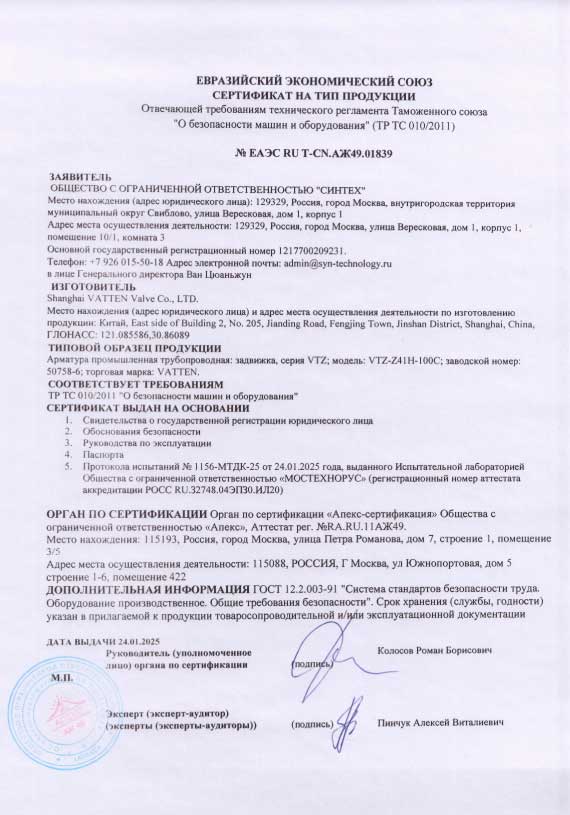
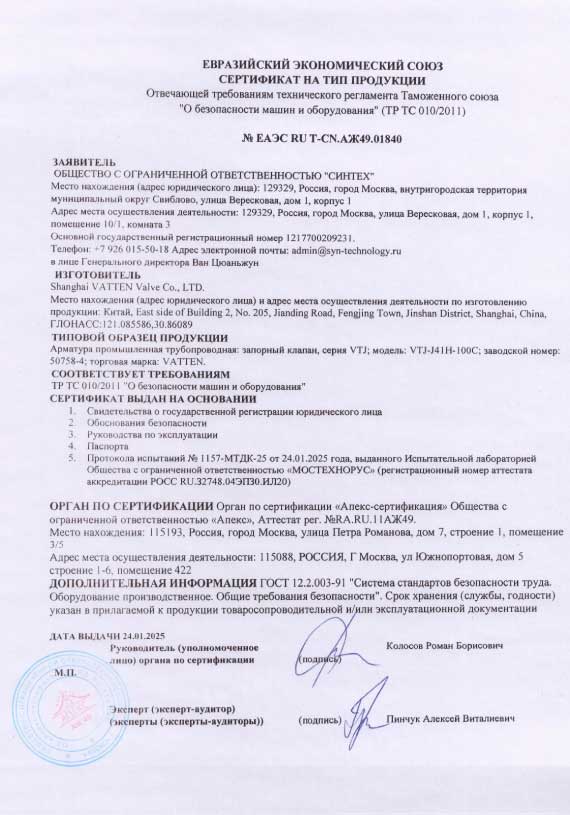
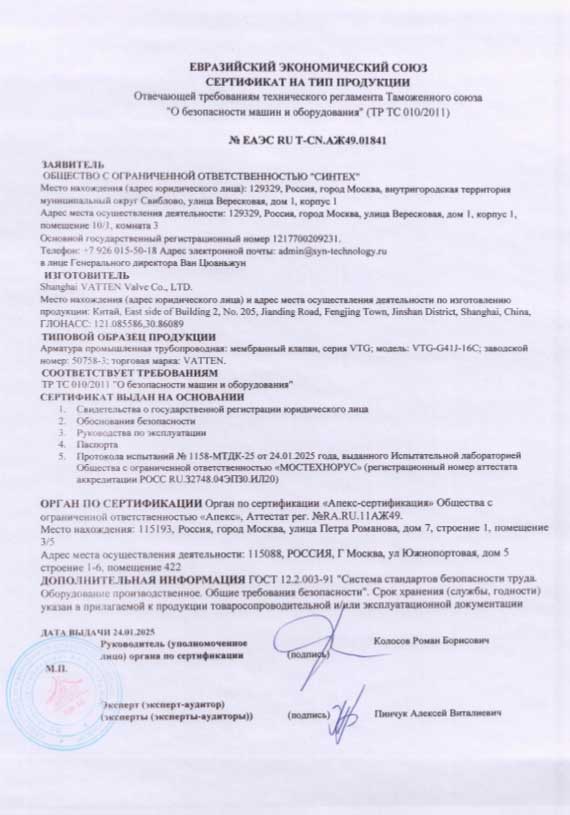
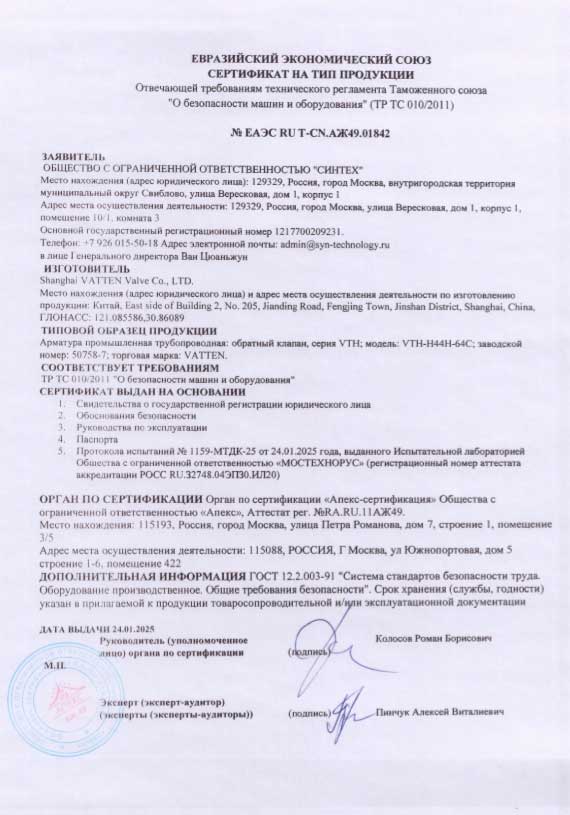
คำตอบทันที: การเลือกวาล์วปิดที่เหมาะสม ปัจจัยที่สำคัญที่สุดใน ปิดวาล์ว การเลือกจะจับคู่ปร...
อ่านเพิ่มเติมทำไมถึงเลือกพวกเรา?
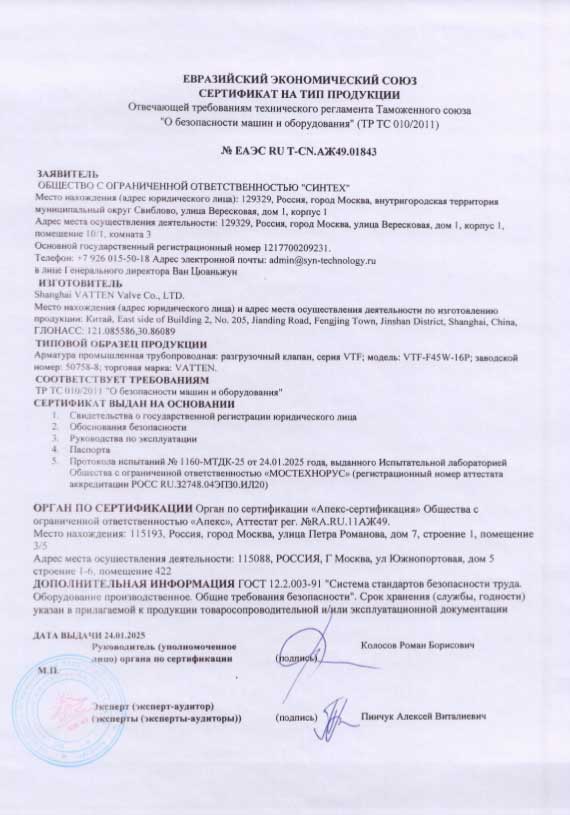
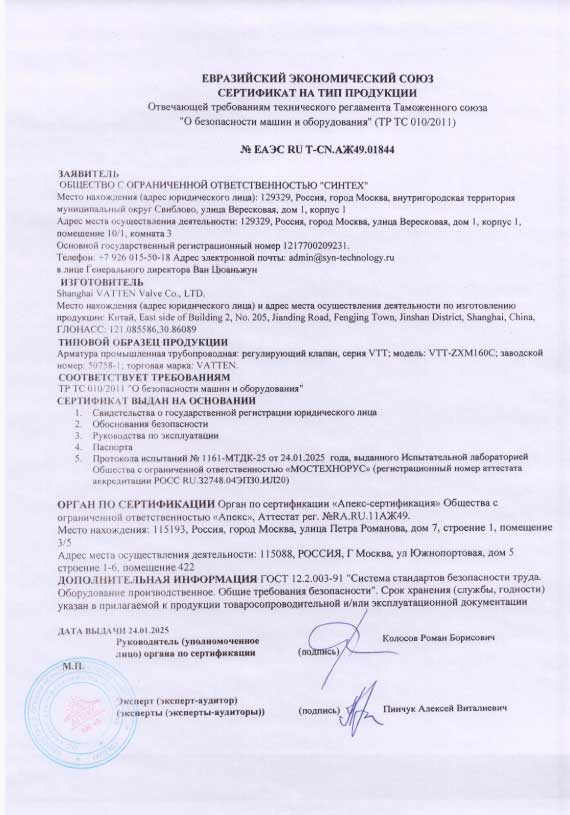
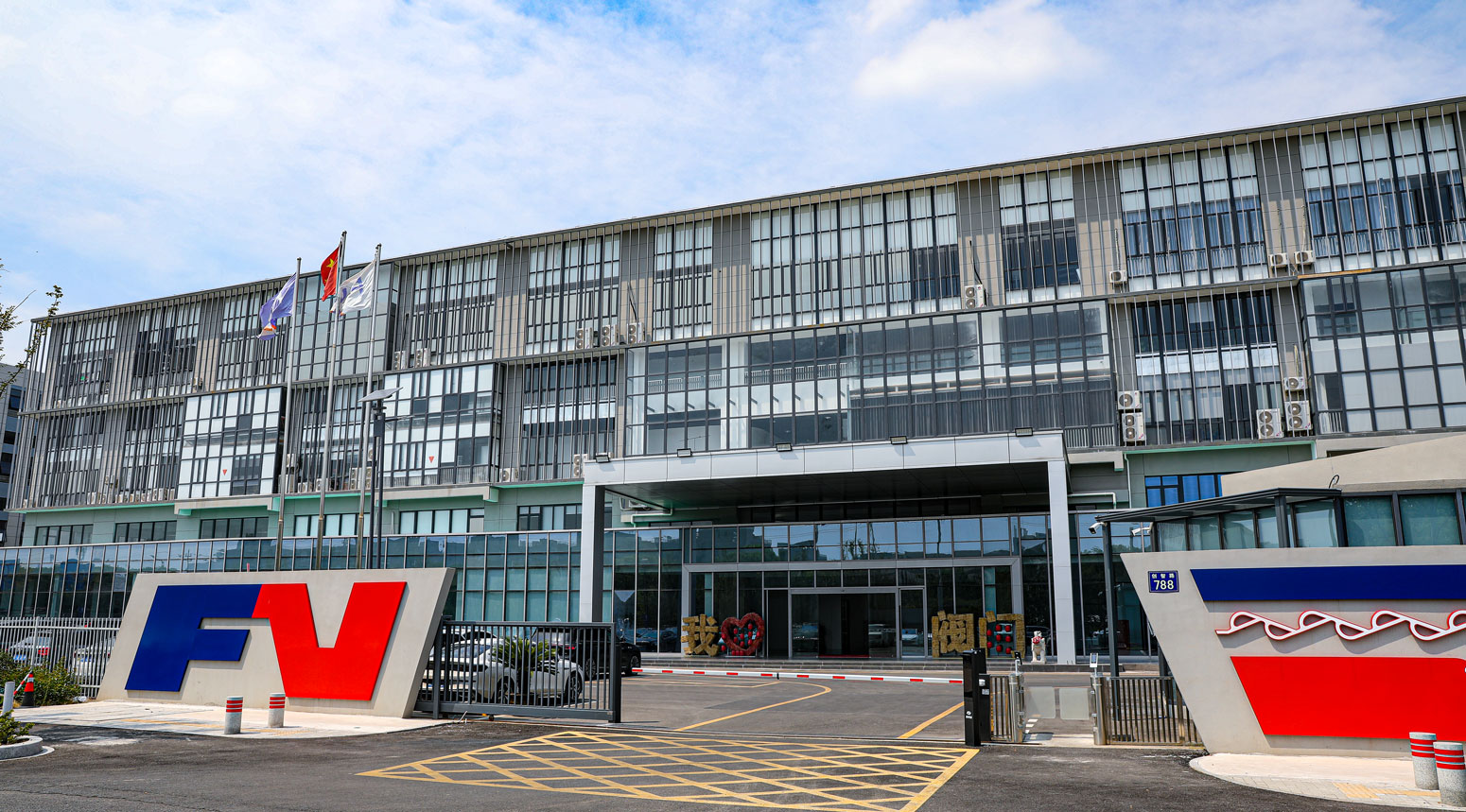
Vatten Valve Group เป็นบริษัทวาล์วระบบอัตโนมัติทางอุตสาหกรรมที่มีชื่อเสียงระดับโลกซึ่งมีต้นกำเนิดจากเมืองซาร์ลันด์ ประเทศเยอรมนี มีความเชี่ยวชาญในการวิจัย การพัฒนา และการผลิตผลิตภัณฑ์หลัก เช่น บอลวาล์วควบคุมอัตโนมัติ วาล์วปีกผีเสื้อ และวาล์วควบคุม ด้วยการใช้ประโยชน์จากความเชี่ยวชาญด้านเทคโนโลยีที่โดดเด่นของเรา เราจึงนำเสนอโซลูชั่นวาล์วที่เป็นนวัตกรรมและการสนับสนุนทางเทคนิคอย่างมืออาชีพให้กับอุตสาหกรรมที่สำคัญ รวมถึงพลังงาน เคมี การบำบัดน้ำ ยารักษาโรค และการแปรรูปอาหาร
ผู้จำหน่ายวาล์วควบคุมตนเอง
อุปกรณ์เสริมวาล์ว ซัพพลายเออร์
-
เครื่องระบุตำแหน่งแบบกลไก VATTEN ใช้การควบคุมแบบอะนาล็
-
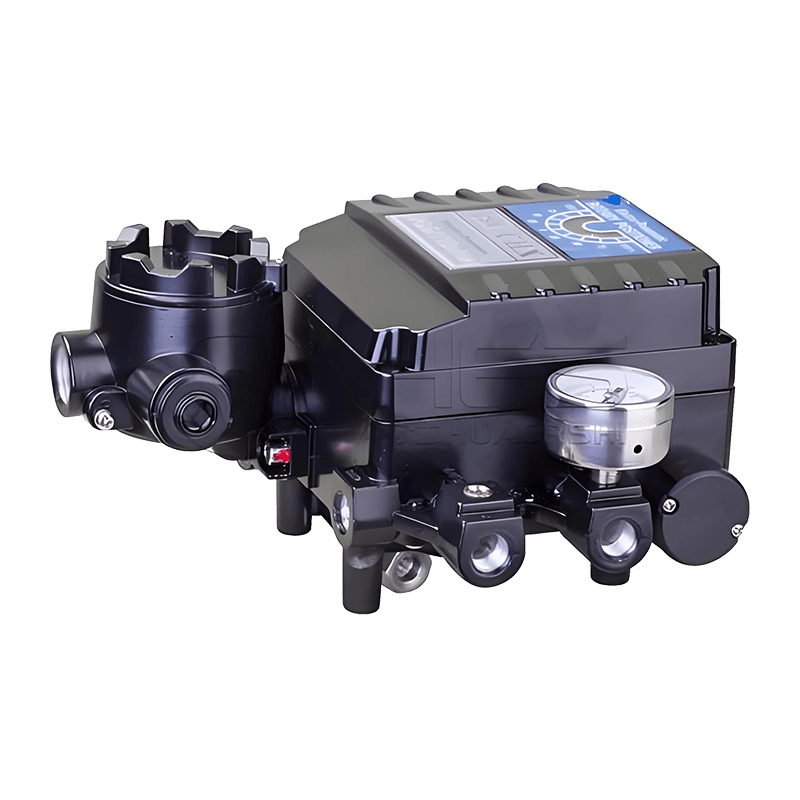
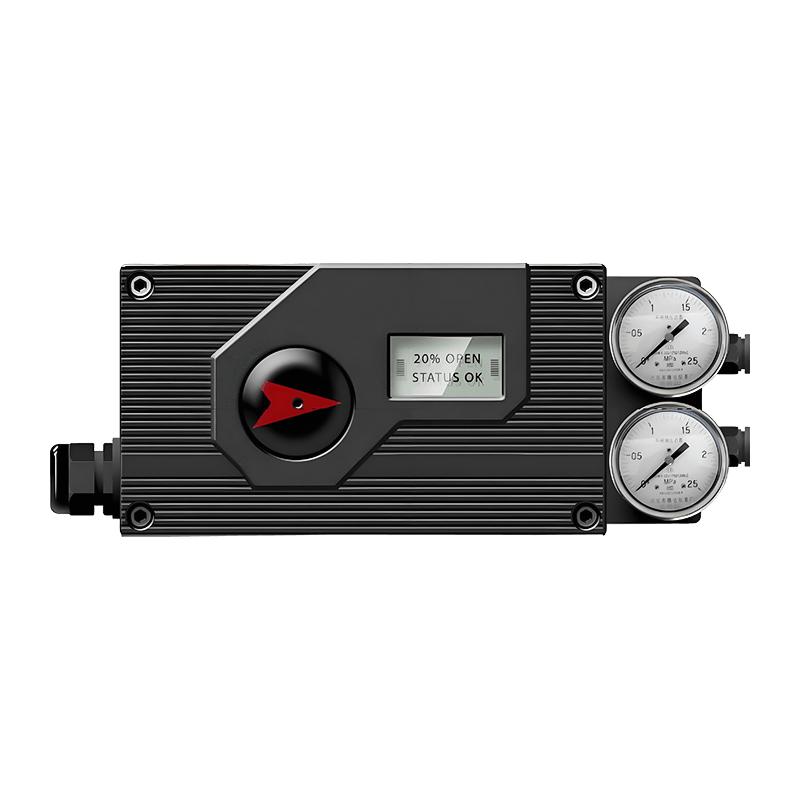
เครื่องกำหนดตำแหน่งอัจฉริยะ VATTEN ใช้เทคโนโลยีการควบค
-
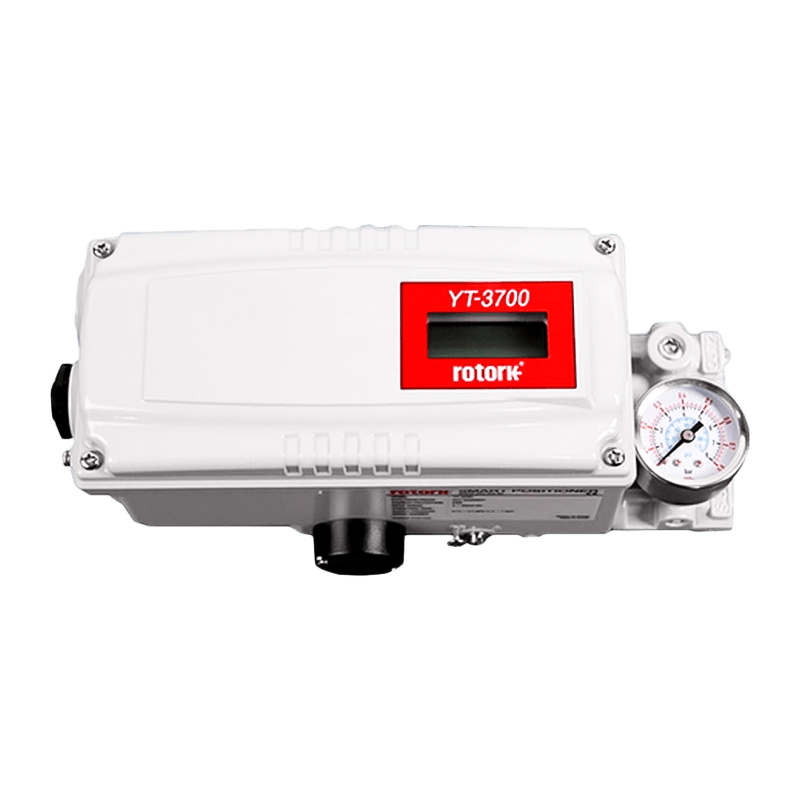
Rotork เป็นผู้นำระดับโลกในด้านโซลูชันการควบคุมการไหลแ
-
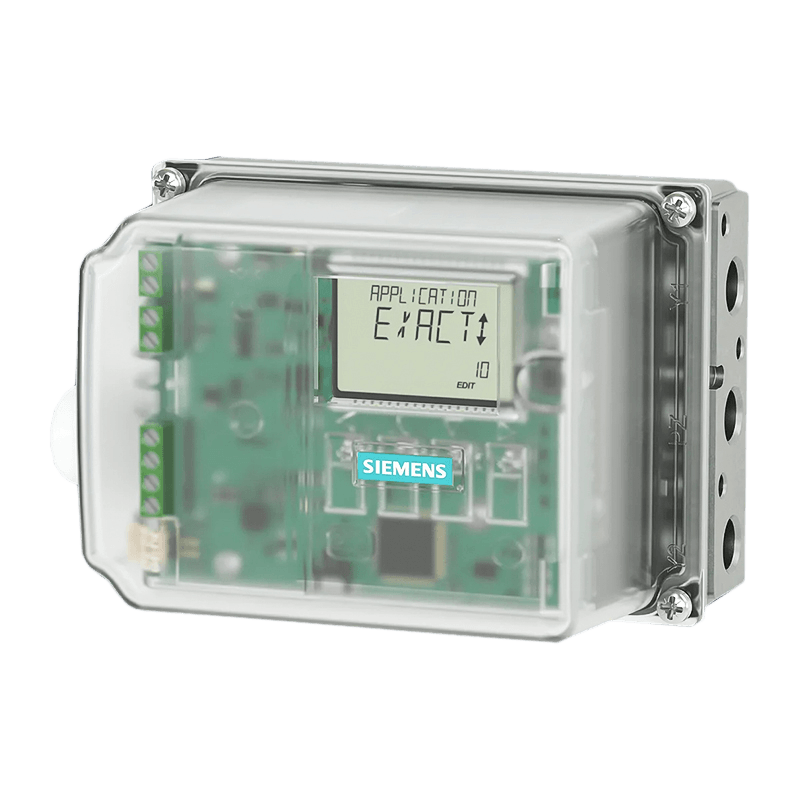
Siemens เป็นผู้นำระดับโลกด้านเทคโนโลยี โดยให้ความสำคัญก
-
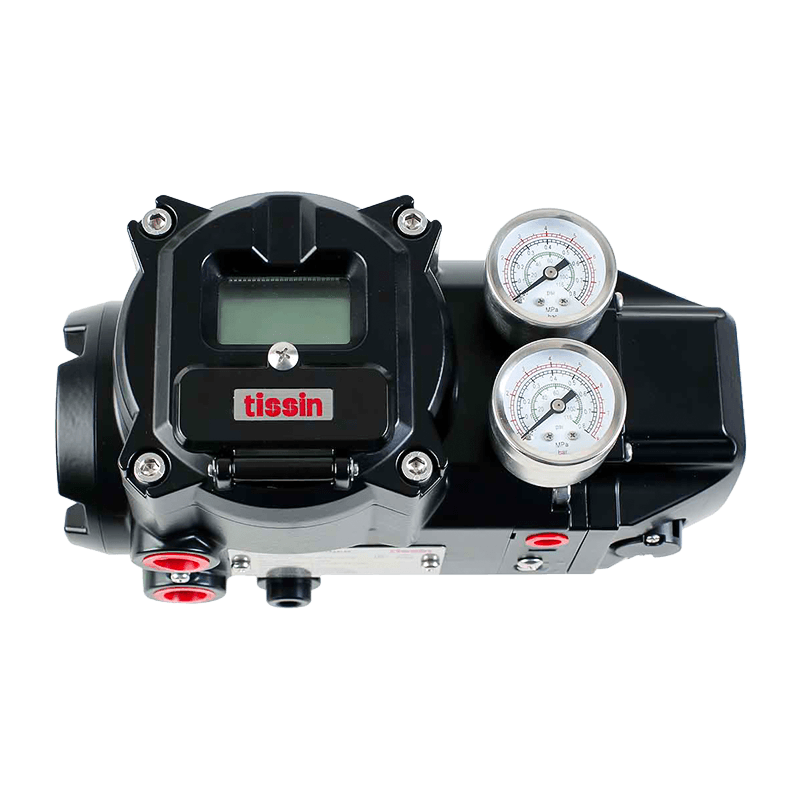
Tissin เป็นผู้ผลิตเฉพาะที่อยู่ในเกาหลีใต้ โดยมุ่งเน้นก
-
กลไกการทำงานแบบแมนนวลของคลัตช์คืออุปกรณ์ขับเคลื่อ
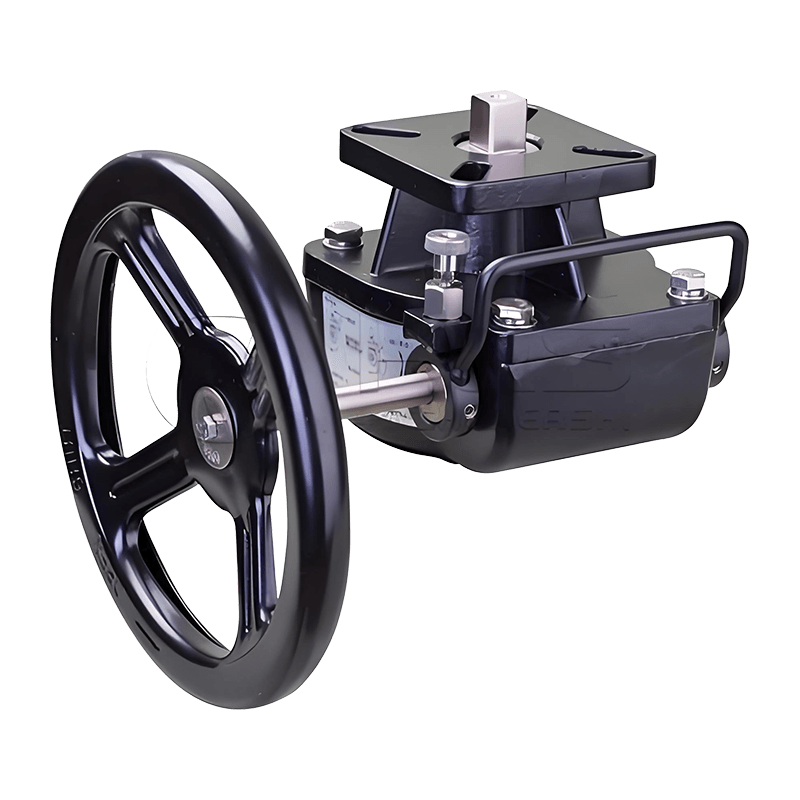
VATTEN นำเสนออุปกรณ์เสริมวาล์วที่หลากหลายซึ่งช่วยเสริมผลิตภัณฑ์วาล์วที่หลากหลายของเรา อุปกรณ์เสริมเหล่านี้ได้รับการออกแบบมาเพื่อปรับปรุงประสิทธิภาพของระบบ ปรับปรุงการควบคุม และรับประกันการทำงานที่เชื่อถือได้ในการใช้งานทางอุตสาหกรรมต่างๆ
โซลินอยด์วาล์วของเราสร้างขึ้นเพื่อการควบคุมการไหลที่แม่นยำและมีประสิทธิภาพ ช่วยให้สามารถบูรณาการเข้ากับระบบอัตโนมัติได้อย่างราบรื่น ลิมิตสวิตช์วาล์วให้การตอบสนองที่สำคัญต่อตำแหน่งวาล์ว ทำให้มั่นใจในความแม่นยำและป้องกันข้อผิดพลาดในการปฏิบัติงาน วาล์วลดแรงดันตัวกรองจัดการแรงดันและการกรองได้อย่างมีประสิทธิภาพ เพิ่มอายุการใช้งานและความน่าเชื่อถือของระบบวาล์ว
ตัวกำหนดตำแหน่งวาล์วให้การควบคุมการตั้งค่าวาล์วที่ปรับแต่งอย่างละเอียด ช่วยให้ได้ประสิทธิภาพสูงสุดในสภาพแวดล้อมที่มีความต้องการสูง ในขณะเดียวกัน คลัตช์วาล์วช่วยให้การทำงานราบรื่น โดยให้การปกป้องตัวกระตุ้นวาล์วและลดการสึกหรอ
อุปกรณ์เสริมเหล่านี้ร่วมกันมอบโซลูชันที่ครอบคลุมซึ่งรับประกันประสิทธิภาพการดำเนินงานและมีส่วนทำให้ระบบวาล์วของคุณมีความทนทาน
Message Feedback
เกี่ยวกับเรา
บริษัท Vatten Valve Group เป็นบริษัทชั้นนำระดับโลกด้านวาล์วควบคุมอัตโนมัติทางอุตสาหกรรม ซึ่งมีต้นกำเนิดจากรัฐซาร์ลันด์ ประเทศเยอรมนี เชี่ยวชาญด้านการวิจัย พัฒนา และผลิตผลิตภัณฑ์หลัก เช่น วาล์วบอลควบคุมอัตโนมัติ วาล์วผีเสื้อ และวาล์วปรับแรงดัน ด้วยความเชี่ยวชาญด้านเทคโนโลยีที่โดดเด่น เราจึงสามารถนำเสนอโซลูชันวาล์วที่ล้ำสมัยและการสนับสนุนทางเทคนิคอย่างมืออาชีพแก่อุตสาหกรรมที่สำคัญต่างๆ เช่น พลังงาน เคมี การบำบัดน้ำ ยา และการแปรรูปอาหาร
เช่น อุปกรณ์เสริมวาล์ว ซัพพลายเออร์ และ อุปกรณ์เสริมวาล์ว โรงงาน, กลุ่มบริษัทดำเนินงานโดยมีฐานการผลิตที่ทันสมัย 4 แห่ง ตั้งอยู่ในทำเลที่ตั้งทางยุทธศาสตร์ในเซี่ยงไฮ้ เทียนจิน ลี่ซุย และเจียซิง ประเทศจีน เพื่อให้บริการตลาดต่างประเทศได้ดียิ่งขึ้น เราได้จัดตั้งสำนักงานสาขาในสถานที่สำคัญทางยุทธศาสตร์ ได้แก่ สหราชอาณาจักร ตุรกี เบลารุส ซาอุดีอาระเบีย และอินโดนีเซีย การจัดตั้งสำนักงานในอินโดนีเซียช่วยเพิ่มขีดความสามารถในการให้บริการของเราในตลาดเอเชียตะวันออกเฉียงใต้ได้อย่างมาก ทำให้มั่นใจได้ว่าเราจะสามารถให้การสนับสนุนทางเทคนิคและบริการต่างๆ แก่พันธมิตรและลูกค้าในท้องถิ่นได้อย่างทันท่วงทีและมีประสิทธิภาพ
บริษัท Vatten Valve มีรากฐานมาจากประเพณีการผลิตที่แม่นยำของเยอรมนี โดยมุ่งเน้นไปที่วาล์วควบคุมอัตโนมัติ พร้อมทั้งปฏิบัติตามมาตรฐานคุณภาพระดับสากลอย่างเคร่งครัด จัดเตรียม กำหนดเอง อุปกรณ์เสริมวาล์ว. เรามุ่งมั่นที่จะพัฒนานวัตกรรมอย่างต่อเนื่อง เพื่อมอบผลิตภัณฑ์ที่มีประสิทธิภาพเหนือกว่า การสนับสนุนทางเทคนิคอย่างมืออาชีพ และโซลูชันการควบคุมของเหลวแบบครบวงจรแก่ลูกค้า ช่วยให้พวกเขาสามารถรับมือกับความท้าทายที่ซับซ้อนในการควบคุมของเหลวในอุตสาหกรรมได้
ข่าว
-
-
วาล์วปล่อยด้านล่าง เป็นอุปกรณ์ควบคุมการไหลที่ติดตั้งที่จุดต่ำสุดของถัง ถัง หรือถังพักเพื่อให้ควบคุมการปลด...
อ่านเพิ่มเติม -
ก วาล์วผีเสื้อ เป็นวาล์วหมุนแบบหมุนสี่รอบที่ควบคุมการไหลของของไหลผ่านจานกลมที่หมุนตั้งฉากกับทิศทางการไห...
อ่านเพิ่มเติม -
ทำความเข้าใจว่าวาล์วปีกผีเสื้อถูกรวมเข้ากับระบบท่อสมัยใหม่อย่างไร การรวมกัน วาล์วผีเสื้อ เป็นแนวทางทางวิศวก...
อ่านเพิ่มเติม -
ทำความเข้าใจเกี่ยวกับวาล์วประตูไฟฟ้าในระบบอุตสาหกรรม วาล์วประตูไฟฟ้า มีการใช้กันอย่างแพร่หลายในระบบท่ออุตสาห...
อ่านเพิ่มเติม
ความรู้ด้านอุตสาหกรรม
What Are the Most Common Types of Valve Accessories ?
Valves are integral components in various industrial systems, providing essential flow control and regulation of fluids or gases. However, the valve itself is often not enough to ensure optimal performance. To maximize efficiency, reliability, and safety, a variety of accessories are employed in conjunction with valves. These accessories enhance the functionality of the valves, allowing for better control, automation, and system integration. In this article, we will explore the most common types of valve accessories and their roles in industrial applications.
What Are Valve Accessories?
Valve accessories are supplementary components that enhance the operation of valves by adding functionality, improving control, and ensuring safety. These accessories work together with the valve to optimize its performance, providing automated operation, precise monitoring, and real-time feedback. Some accessories are required for particular types of valves, while others are used to upgrade or modify existing systems. Common valve accessories include solenoid valves, limit switches, actuators, positioners, and explosion-proof devices. Let’s delve into the most widely used types of valve accessories.
1. Solenoid Valves
Solenoid valves are one of the most widely used valve accessories for controlling the flow of liquids or gases in automated systems. These valves are electrically operated and use a solenoid coil to control valve opening and closing. The solenoid valve's primary function is to regulate the flow of fluids within a piping system by opening or closing the valve based on an electrical signal.
There are different types of solenoid valves, including:
- Pipe-Connected Solenoid Valve: These are solenoid valves that are directly connected to a pipeline. They are commonly used in fluid control applications, such as water, air, or steam systems.
- Explosion-Proof Solenoid Valve: Designed for hazardous environments, explosion-proof solenoid valves are built with rugged enclosures to prevent sparks or heat from causing explosions. They are typically used in industries like oil and gas, mining, and chemical processing.
Solenoid valves are essential for industries that require fast, reliable, and automated control over fluid systems. They are used in applications ranging from HVAC systems to food processing and chemical manufacturing.
2. Valve Limit Switches
Limit switches are sensors used to detect the position of a valve. They are commonly installed on valves to provide feedback to control systems, indicating whether the valve is fully open, closed, or in an intermediate position. The purpose of the valve limit switch is to prevent over-travel and ensure precise positioning, which is essential for accurate flow control.
There are two main types of valve limit switches:
- Inductive Valve Limit Switch: These switches use inductive proximity sensors to detect the position of the valve stem or actuator. They are commonly used for applications that require non-contact sensing and are suitable for both manual and automated valve systems.
- Explosion-Proof Valve Limit Switch: These limit switches are designed for hazardous environments where sparks or heat could trigger an explosion. They are equipped with explosion-proof enclosures and are typically used in industries such as oil and gas, chemical manufacturing, and mining.
Valve limit switches provide real-time information to operators, enhancing the control and safety of valve operations. They ensure that the valve's position is accurately communicated to the control system, allowing for better regulation of the flow of fluids.
3. Actuators
Actuators are mechanical devices that automate the movement of valves. They are essential in applications that require automated valve operation without human intervention. Actuators can be powered by electricity, pneumatic systems, or hydraulic pressure. Their primary function is to convert energy into mechanical motion to control the valve’s opening and closing.
Types of actuators include:
- Electric Actuators: These actuators use an electric motor to move the valve. Electric actuators are often used in applications where precise control and automation are required. They are commonly used in industries like water treatment, chemical processing, and HVAC.
- Pneumatic Actuators: Powered by compressed air, pneumatic actuators are widely used in systems that require quick and efficient operation. They are ideal for high-cycle applications and are commonly used in the oil and gas, food processing, and pharmaceutical industries.
- Hydraulic Actuators: Hydraulic actuators use pressurized fluid to generate force and are typically used in high-torque applications where substantial force is required to operate large valves or systems with high-pressure conditions.
Actuators help in reducing manual intervention and ensure that valves are opened or closed as per the system’s requirements. This increases efficiency and reduces the risk of human error in automated systems.
4. Valve Positioners
Valve positioners are accessories used to control and monitor the position of a valve actuator. They ensure that the actuator is accurately positioned according to the signal received from the control system. Positioners are used in conjunction with actuators to provide fine-tuned control over valve movement, especially in systems requiring precise flow regulation.
Positioners are typically used in applications where the valve needs to be adjusted continuously based on the process conditions, such as in chemical plants, water treatment facilities, and energy production plants. By optimizing the actuator’s movement, valve positioners help improve process efficiency and ensure accurate control of fluid or gas flow.
5. Other Valve Accessories
In addition to the common valve accessories mentioned above, there are other components that can enhance valve performance, safety, and control. These include:
- Valve Dampers: These devices are used to reduce the impact of valve operation and minimize vibration, which can lead to wear and tear. Valve dampers are often used in high-pressure systems where sudden valve movements could result in system instability.
- Actuator Mounting Brackets: These brackets are used to securely attach the actuator to the valve body, ensuring that the actuator performs optimally and the valve remains properly aligned.
- Valve End Connectors: These connectors provide a secure, leak-proof connection between the valve and the pipeline, ensuring that the system operates without leaks.
These additional accessories help maintain the valve system's integrity, improve safety, and reduce maintenance costs by ensuring smooth operation and minimizing the risk of failure.
Conclusion
Valve accessories play a crucial role in enhancing the functionality, performance, and safety of valve systems in industrial applications. From solenoid valves to limit switches, actuators, and positioners, these accessories provide automation, precise control, and real-time feedback that optimize valve operations. By integrating these accessories into valve systems, industries can achieve greater efficiency, safety, and reliability in their operations.
Choosing the right valve accessories depends on the specific needs of the application, including the type of fluid or gas being controlled, environmental conditions, and the level of automation required. With the right combination of valve and accessories, industries can ensure long-lasting and efficient valve performance, reducing downtime and increasing system reliability.
Furthermore, the integration of modern valve accessories, such as explosion-proof components and automated control systems, has enabled industries to operate in more demanding and hazardous environments. By using accessories like explosion-proof solenoid valves and limit switches, businesses can ensure that their valve systems not only function efficiently but also comply with safety standards and regulatory requirements. This is particularly crucial in sectors such as oil and gas, chemical manufacturing, and mining, where safety is paramount.
The selection and maintenance of these valve accessories are just as important as the valves themselves. Regular checks on the performance of solenoid valves, actuators, and limit switches, along with proper installation of positioners and dampers, can significantly extend the lifespan of the entire valve system. This proactive approach to maintenance can prevent costly failures and unplanned downtime, leading to improved productivity and a safer working environment.
In conclusion, valve accessories are not merely supplementary; they are essential components that ensure the efficient, reliable, and safe operation of valve systems. By understanding the role of these accessories and incorporating them into industrial processes, companies can enhance the performance, safety, and longevity of their valve systems, ultimately contributing to smoother and more productive operations across a wide range of industries.
รายละเอียดการติดต่อ
- ที่อยู่: รูโกะ ยูโร เอเชีย บล็อก OSB 21B. Boulevard Osaka Street, Salembaran, Kosambi, Tangerang Regency, Banten 15214
- โทรศัพท์: +62 81181207290
- อีเมล: [email protected]
ลิงก์ด่วน
ผลิตภัณฑ์
หากคุณสนใจ
ในผลิตภัณฑ์ของเรา,
โปรดติดต่อเรา
ลิขสิทธิ์ © กลุ่มวาทเทนวาล์ว สงวนลิขสิทธิ์.
